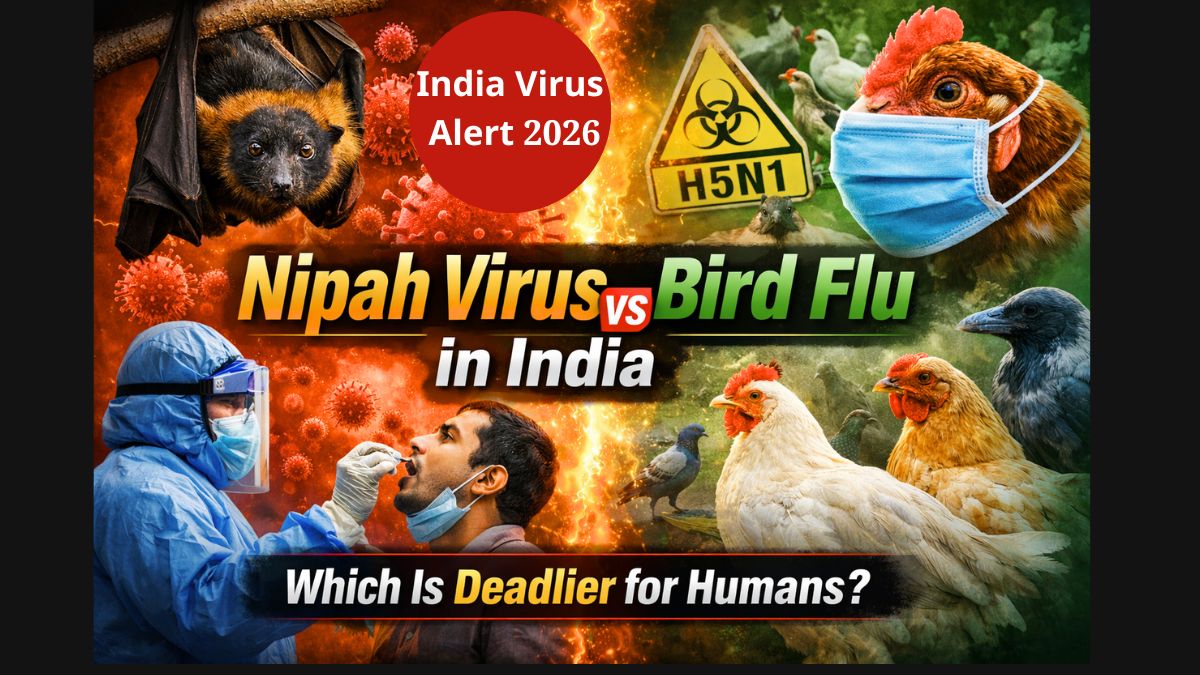
In early 2026, India once again found itself on high public health alert as two zoonotic viral infections—Nipah virus and bird flu (avian influenza)—made headlines. A confirmed Nipah virus outbreak in West Bengal and widespread avian influenza detection among birds in Bihar triggered intensified surveillance not only within the country but also across parts of Asia, with several airports introducing additional health screenings for travelers from affected regions.
Although both infections originate in animals and have the potential to infect humans, their impact, lethality, and public health implications differ significantly. Understanding these differences is essential for public awareness, risk assessment, and preventing panic-driven misinformation—especially in the age of rapid digital news consumption.
Why Nipah Virus and Bird Flu Are in the Spotlight
Zoonotic diseases—those that jump from animals to humans—have become a growing global concern. The Nipah virus and avian influenza both fall into this category, but their behavior in human populations is not the same.
Health experts, including the World Health Organization, continue to monitor Nipah virus closely due to its extremely high fatality rate and the absence of approved vaccines or targeted antiviral treatments. Bird flu, while widespread among birds and economically damaging to the poultry industry, poses a comparatively lower and less predictable risk to humans.
Nipah Virus: A High-Fatality Human Threat
What Is Nipah Virus?
The Nipah virus (NiV) is a highly pathogenic virus first identified during an outbreak in Malaysia and Singapore in 1998–99. Its natural reservoir is fruit bats of the Pteropus species. Humans can contract the virus through:
-
Consumption of food contaminated by bat secretions
-
Close contact with infected animals such as pigs
-
Limited human-to-human transmission through close physical contact
Symptoms and Disease Progression
Nipah virus infection often begins with symptoms that appear mild but can escalate rapidly:
-
Fever and headache
-
Cough and breathing difficulty
-
Vomiting and fatigue
In severe cases, patients develop encephalitis—dangerous inflammation of the brain—within 24 to 48 hours. This can lead to confusion, seizures, coma, and death. Respiratory distress has also been observed in many patients, often requiring intensive care.
Fatality Rate and Treatment
According to global health data, Nipah virus has a case fatality rate ranging between 40% and 75%, depending on the outbreak and the speed of medical intervention. At present:
-
No licensed vaccine is available
-
No specific antiviral treatment exists
-
Supportive care is the only option
This combination of high mortality and limited treatment options makes Nipah one of the most dangerous viruses known to infect humans.
Recent Nipah Cases in India
In January 2026, multiple Nipah virus cases were confirmed in West Bengal, prompting immediate containment measures. Nearly 200 close contacts were identified and monitored, with most testing negative. While authorities assessed the broader risk as low, the outbreak once again highlighted how lethal even small clusters can be.
India has experienced several Nipah outbreaks in the past, particularly in Kerala, where earlier incidents resulted in multiple fatalities.
Bird Flu (Avian Influenza): Widespread but Less Lethal
What Is Bird Flu?
Bird flu, or avian influenza, is caused by influenza A viruses that primarily infect birds. Subtypes such as H5N1 and H9N2 are of particular concern. These viruses circulate widely among:
-
Domestic poultry
-
Wild birds
Human infection occurs rarely and usually through direct contact with infected birds or contaminated environments.
Symptoms in Humans
When bird flu does infect humans, symptoms may include:
-
High fever and cough
-
Sore throat and body aches
-
Severe pneumonia
-
Acute respiratory distress
The incubation period typically ranges from 2 to 8 days. While some cases resolve with treatment, severe infections can be fatal.
Mortality and Human Transmission
In isolated human cases, certain bird flu strains—especially H5N1—have shown mortality rates as high as 48–50%. However, these figures apply only to confirmed human infections, which remain extremely rare.
Crucially, sustained human-to-human transmission has not been observed, which significantly limits the pandemic potential of bird flu compared to other viral threats.
Bird Flu Situation in India
In early 2026, thousands of bird deaths were reported in parts of Bihar, including Darbhanga district, linked to avian influenza. Authorities responded with:
-
Culling of infected birds
-
Movement restrictions
-
Heightened biosecurity measures
-
Surveillance to prevent human exposure
So far, no large-scale human outbreaks have been linked to these incidents.
Nipah Virus vs Bird Flu: Key Differences at a Glance
-
Primary host:
-
Nipah: Fruit bats (pigs as intermediates)
-
Bird flu: Wild and domestic birds
-
-
Transmission to humans:
-
Nipah: Animal-to-human and limited human-to-human
-
Bird flu: Animal-to-human; human spread is rare
-
-
Fatality rate in humans:
-
Nipah: 40–75%
-
Bird flu: High in isolated cases but rare overall
-
-
Treatment and vaccines:
-
Nipah: None approved
-
Bird flu: Limited antivirals; vaccines under development
-
-
Public health impact:
-
Nipah: Highly lethal but localized outbreaks
-
Bird flu: Broader economic and animal health impact
-
Which Virus Is Deadlier for Humans?
From a strictly human health perspective, Nipah virus is considered deadlier. Its high fatality rate, rapid disease progression, neurological complications, and lack of treatment options make it an exceptionally dangerous pathogen—even when case numbers are low.
Bird flu, while serious, remains primarily an animal health and economic issue. Human infections are rare and usually preventable through biosecurity and avoidance of infected birds.
The Bigger Picture: Vigilance Without Panic
Both Nipah virus and bird flu underline the importance of strong disease surveillance, early detection, transparent communication, and responsible public behavior. Simple actions—such as avoiding contact with sick animals, following public health advisories, and seeking medical care early—can make a critical difference.
As India strengthens its preparedness against emerging infections, informed awareness remains one of the most powerful tools to prevent localized outbreaks from becoming larger crises.
Disclaimer:
This article is for informational purposes only and does not replace professional medical advice. Always consult qualified healthcare professionals for diagnosis and treatment. Freshrise does not claim responsibility for medical decisions based on this content.

The Founder of Fresh Rise and a global educator, a digital news platform focused on delivering clear, verified, and meaningful stories that matter to everyday readers. I write about current affairs, government schemes, education, social issues, and global developments, presenting complex topics in a simple and easy-to-understand format.
With a background in teaching and content creation, I believes that information should be accessible to everyone. Through Fresh Rise, i aim to help readers stay informed with factual reporting, practical insights, and timely updates.