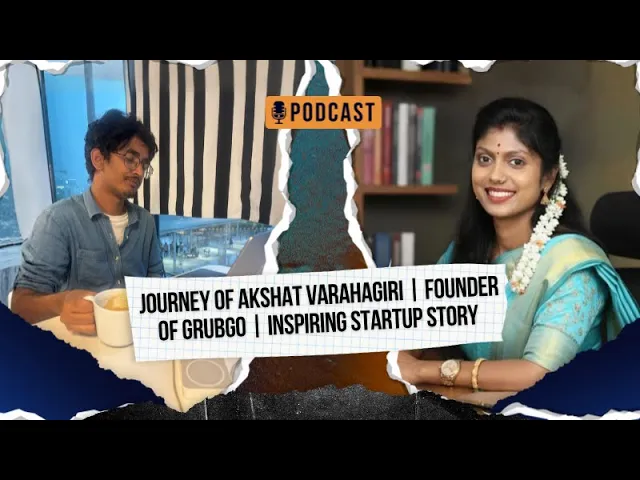
Entrepreneurship is not merely about launching a product or securing investment—it’s a continuous journey full of hard decisions, unexpected challenges, and deep learning. In our latest podcast episode of Fresh Rise, we sat down with Akshat Varahagiri, the 22-year-old founder and CEO of GrubGo, to unpack his inspiring journey from ideation to building an urban supply solution that’s reshaping how cities manage essential deliveries.
🚀 From Idea to Action: Akshat’s Vision
Akshat’s entrepreneurial story didn’t begin with a grand blueprint—rather, it was sparked by firsthand observation of everyday problems faced by consumers and local retailers. As a young technologist with a background in Computer Science and product design, Akshat noticed the disconnect between what grocery stores had in stock and what customers found online. This mismatch wasn’t just inconvenient — it highlighted deep structural inefficiencies in the urban supply chain.
Instead of chasing the conventional “build fast, scale fast” mindset, Akshat challenged the narrative. He chose to rethink the foundation of quick commerce—not as just another delivery app, but as a robust backbone that connects inventory, logistics, and real-time demand in rapidly growing cities.
🧠 GrubGo: More Than Just Delivery
At its core, GrubGo is more than a grocery delivery service — it’s what Akshat describes as an invisible supply engine designed for both B2C (consumer deliveries) and B2B (business supply).
🔹 Fixing the Invisible Problems
While many startups in the quick commerce space compete on fast delivery times alone, Akshat’s strategy focused on the backend system that makes speed possible:
-
Real-time inventory syncing that ensures store and online data match
-
Efficient routing and fulfillment logic that reduces waste and improves reliability
-
A dual-rail system that serves both households and businesses such as cafés, kiosks, and cloud kitchens
This foundation approach meant GrubGo wasn’t chasing flashy metrics—it was building trustworthy infrastructure. Akshat’s vision was to eliminate inefficiencies that others simply tried to hide, enabling a system that could scale sustainably and economically over time.
🔍 Lessons From Building a Startup
During the podcast, Akshat shared several invaluable lessons, especially for young founders and aspiring entrepreneurs:
1. Observe, Don’t Assume
Akshat’s spark came from observing actual market behavior—not assumptions or viral trends. His advice was clear: “Study the problem before building the solution.” This research-driven approach helped him design GrubGo to solve real pain points rather than generic ones.
2. Build Fundamentals First
Instead of launching with extensive marketing or chasing user growth, GrubGo emphasized rigorous backend testing, simulation of countless order scenarios, and hands-on validation in real marketplaces. Akshat believes many founders fail because they launch too early, without solid processes beneath the surface.
3. Trust Is Harder to Build Than Technology
In quick commerce especially, trust isn’t built on flashy ads—it’s built on consistency and real reliability. Akshat talked about the emotional impact of operations: ensuring the right product reaches the right place at the right time, consistently, builds real credibility with users and partners alike.
🔥 The Challenges of Quick Commerce
The quick commerce industry is highly competitive and fast paced. But Akshat pointed out a deeper truth on the podcast:
“It’s not just about speed — it’s about accuracy, reliability, and economics.”
Delivering something in a short window is easy if money is abundant. Doing it sustainably — without burn rates beyond recovery — is where the real challenge lies. This means leveraging data, optimizing inventory, and creating transparent processes that benefit both consumers and local businesses.
Unlike many competitors that rely heavily on cash burn to attract customers, GrubGo chose precision over push — building an ecosystem where business partners see real value, not just promotional discounts.
💡 What This Means for Aspiring Entrepreneurs
Akshat’s journey holds several lessons beyond the food-tech space:
-
Start with a deep understanding of real problems
-
Create solutions that improve the ecosystem, not just your KPIs
-
Balance innovation with patience and rigor
-
Build systems that can operate economically, not just perform theatrically
These insights highlight that long-term success in startups often demands substance over showmanship — a message many young founders need to hear today.
🌟 Final Thoughts
The Fresh Rise episode with Akshat Varahagiri wasn’t just an interview — it was a masterclass in mindful entrepreneurship. It reminded our audience that true innovation happens under the surface: in the way founders think, validate, iterate, and stay grounded in reality.
Akshat’s story also serves as a powerful reminder that age is not a limitation — passion, clarity of purpose, and a willingness to solve real problems are what truly drive impact.
If you’re building something — a product, a startup, or even a new idea — this podcast is a must-watch for the perspectives it offers on doing things the right way, not just the fast way.
podcast link:- https://www.youtube.com/watch?v=DO-sih4DQHo
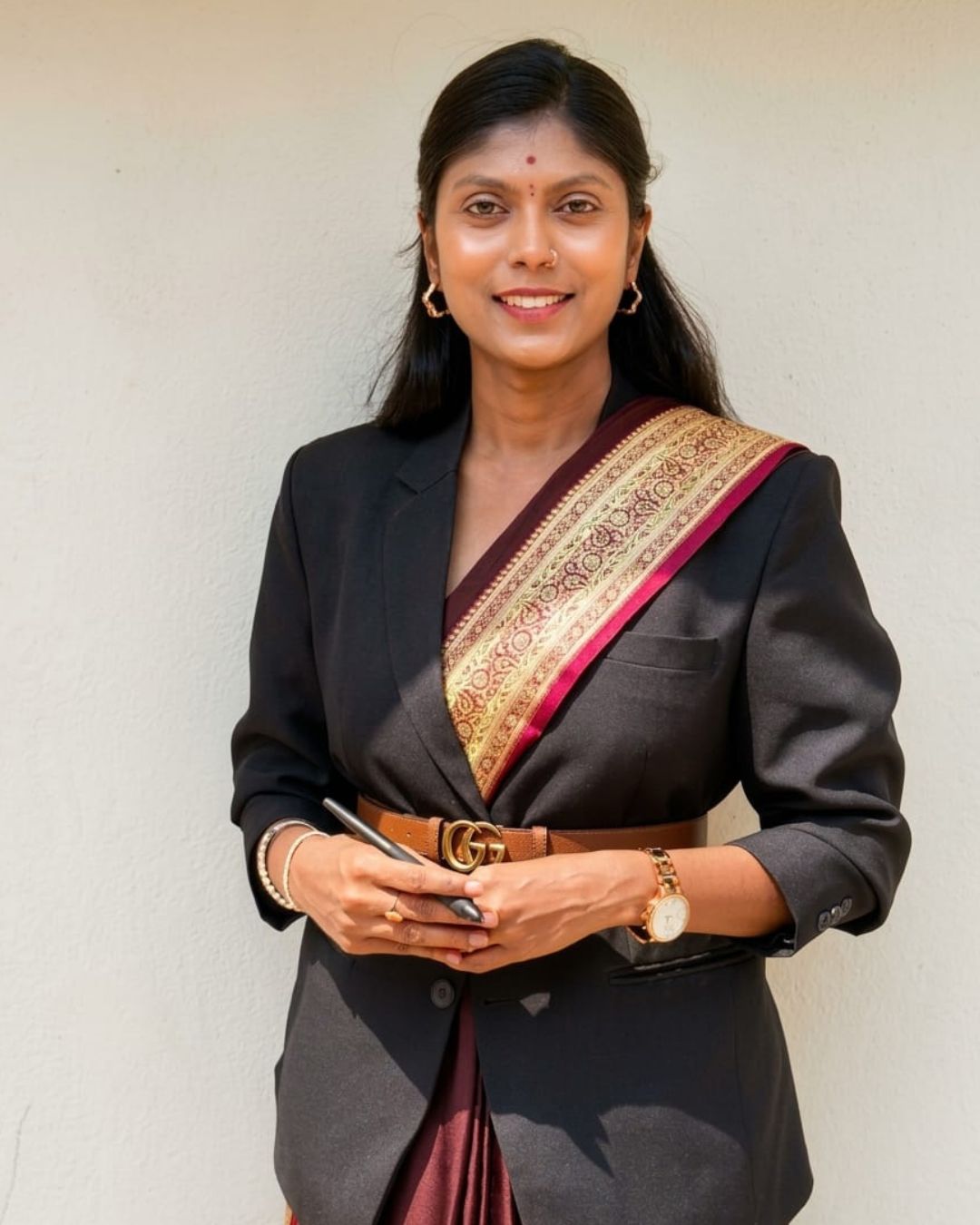
The Founder of Fresh Rise and a global educator, a digital news platform focused on delivering clear, verified, and meaningful stories that matter to everyday readers. I write about current affairs, government schemes, education, social issues, and global developments, presenting complex topics in a simple and easy-to-understand format.
With a background in teaching and content creation, I believes that information should be accessible to everyone. Through Fresh Rise, i aim to help readers stay informed with factual reporting, practical insights, and timely updates.